![]() |
|
|
EUROPE There is a rich tradition of building in Europe, covering many epochs and styles. While much of European architecture has been preserved, still more has been lost through the centuries. There has been a resurgence of interest in continuing to practice European vernacular architecture, especially rammed earth and cob building. Natural building in general is gaining adherents in Europe. |
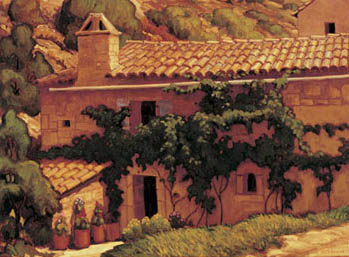
These images of delicate arches, tiled roofs, and waterways bring to mind the romance of Italy; they can also bring this romance into your home!
POSTERS AND ART PRINTS OF SPAIN
These characteristic images of Spanish architecture connote warm days with fragrant wine, they can also intoxicate your imagination and bring delight into your home!
POSTERS AND ART PRINTS OF FRANCE The ornate majesty and elegance of urban French architecture contrasts with the simpler country forms and together they suggest the sumptuous richness of France. POSTERS AND ART PRINTS OF ENGLAND English architecture has a proper place amongst the delights of Europe.
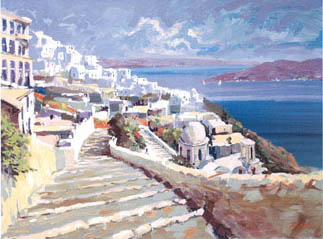
Classical Greek architecture has endured both in the mind and in reality for centuries. These elegant forms can bring a classical touch to your home. |
|
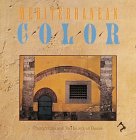
Mediterranean Color : Italy, France, Spain, Portugal, Morocco, Greece by Jeffrey Becom, 1998. This book is about Architecture, Color, and how we see the world. It's not about how to be a tourist in the Mediterranean. Jeffrey Becom has a killer eye. His capability to see details while wandering the countries bordering the Mediterranean allows us a greater appreciation of the sensibilities of work-a-day Mediterranean peoples. |
|||||||||||||||||||||||||||
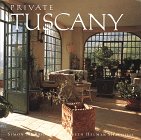
Private
Tuscany by Elizabeth Helman-Minchilli, 1999. The homes
featured in this gorgeous volume are as enchanting as the Tuscan towns
and hillsides they're built on. Many embody a style we've come to associate
with Tuscany: dark-timbered kitchens with dried herbs and garlic ropes
hung from the rafters, original terra-cotta tile floors, large-windowed
living rooms, and artfully frescoed walls. There are centuries-old furnishings
crafted by skilled Italian artisans and elegantly manicured gardens
containing hidden grottos and classical statuary. But the homes also
reflect the special touches of the people who occupy them. For instance,
a theater lover displays his exquisite collection of miniature theaters
in the salon; the daughter of a villa owner paints traditional murals
on the walls and mosaic patterns on the floors. |
|||||||||||||||||||||||||||
|
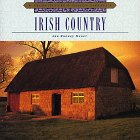
Irish Country by Ann Rooney Heuer, 1998. Irish Country is a joyous resource for all who wish to emulate the essence of Irish country decore. Whether a cottage, townhouse, or bungalow, elements of Irish country style leap from each page. Emphasis is on grace and comfort. Inclusion of the expected (Waterford and lace curtains) coupled with the delightful surprise of french toile, georgian and regency wallpapers and textiles, inspire a unique direction for decorating a home today. |
|||||||||||||||||||||||||||
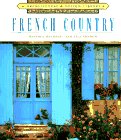
French Country by Barbara Buchholz, et al, 1996. This lovely book is quintessential French country. The authors take the reader on a tour of vistas from the Mediterranean Sea to Provence; country homes range from the rugged to the elegant. The text reveals the common elements to be found in the variety of homes found in the French countryside. Lace is typically at the windows, window boxes brimming with color are essential for this style, and borders of lavender would make you feel that you are really there. Terracotta roof tiles would complete the exterior view.
|
|||||||||||||||||||||||||||
|
|
|||||||||||||||||||||||||||
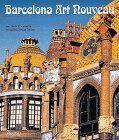
Barcelona Art Nouveau by Lluis Permanyer, Melba Levick, 1999. This book is as close to being in Barcelona as possible. The photography is amazing and really makes the city come alive.
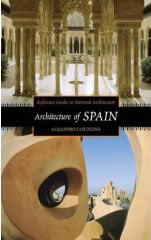
Architecture of Spain by Alejandro Lapunzina, 2005. Covering all regions of Spain, from Bilbao's Guggenheim Museum to Granada's Islamic palace of La Alhambra, and all periods of Spanish architecture, from the Roman aqueduct at Segovia to the modernistic German Pavilion in Barcelona, this volume examines 68 of Spain's most important architectural landmarks. Writing in a clear and engaging style, Alejandro Lapunzina, associate professor of architecture at the University of Illinois, describes the features, functions, and historical importance of each structure. Besides identifying location, style, architects, and periods of initial construction and major renovation, the cross-referenced and illustrated entries also highlight architectural and historical terms explained in the Glossary and conclude with a useful listing of further readings. The volume also offers ready reference lists of entries by location and architectural time period, as well as a general bibliography, a subject index, and a detailed introductory overview of Spanish architecture.
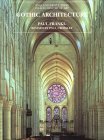
Medieval Architecture in Western Europe: From A.D. 300 to 1500 (Includes CD) by Robert G. Calkins, 1998. Beginning with a study of structural antecedents found in late Roman architecture, the author examines Early Christian borrowings and transformations and selected representative types of Byzantine buildings. The following chapters cover the development of the monastic complex, traditional forms of Northern timber construction, and the contributions of the Carolingian and Ottonian empires. Spanish structures from the seventh century through the tenth century set the stage for the development of the Romanesque style, examined in its various regional manifestations. After identifying the structural sources of Gothic architecture, the author presents the evolving regional Gothic styles, Late Gothic elaborations and innovations, and representative types of secular architecture. The text concludes with an informative chapter on medieval building practices and the tradition of the Master Mason. It is thoroughly illustrated with plans, sections, diagrams, and photographs, and also includes an IBM-compatible CD-ROM, featuring over 800 supplementary views and details of the buildings discussed, all in color.
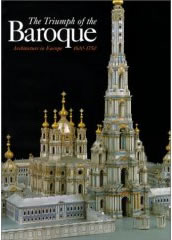
The Triumph of the Baroque: Architecture in Europe 1600-1750 by Henry A. Millon, 2000. This fascinating and expansive catalogue explores every facet of baroque architecture in Europe. The baroque style of architecture arose from the Mannerist style of the seventeenth century. At its height, it encompassed all the arts and embodied the message of the Counter Reformation. This style spread from the Rome of Bernini and Borromini to Versailles, Wrzburg, and St. Petersburg-indeed all over Europe. The works rendered in various media illustrate the many styles of baroque construction: villas and chateaux, military, ecclesiastical, and military architecture, palaces and gardens - for an unrivaled presentation of this period in European architectural style.
|
|||||||||||||||||||||||||||
|
Ancient
Rome: Monuments Past and Present
|
Architecture
and Geometry in the Age of the Baroque
|
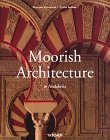
Moorish Architecture: In Andalusia
|
|||||||||||||||||||||||||
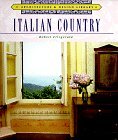
Architecture and Design Library: Italian Country
|
Spanish Revival Architecture
|
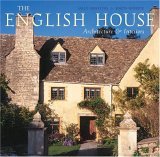
The English House: English Country Houses and Interiors
|
|||||||||||||||||||||||||
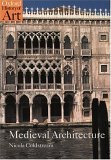
Medieval Architecture (Oxford History of Art)
|
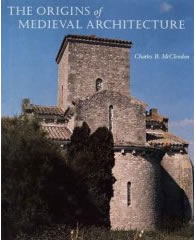
The Origins of Medieval Architecture: Building in Europe, A.D. 600-900
|
The Architecture of Europe: the 19th and 20th Centuries
|
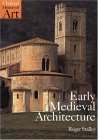
Early Medieval Architecture (Oxford History of Art)
|
||||||||||||||||||||||||
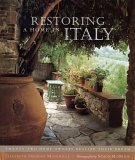
Restoring a Home in Italy
|
Lost Europe: Images of a Vanished World
|
European Architecture 1750-1890 (Oxford History of Art)
|
Norman Stone Castles (2): Europe 950-1204
|
||||||||||||||||||||||||
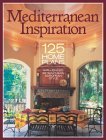
Mediterranean Inspiration: 125 Home Plans Inspired by Southern European Style
|
|||||||||||||||||||||||||||
| archilibre.free.fr This is a marvelous site with lots of images and descriptions of French vernacular and current wild architecture. |
|
Disclaimer
Of Liability And Warranty
For Email contact go to About UsEstablished in 2001, GreenHomeBuilding.com is primarily a labor of love. Kelly, and the GreenHomeBuilding team of experts, have answered thousands of questions for readers over the years, and we continue to publish up-to-date information about increasingly important sustainable architecture. If you feel moved to assist us in this work, your kind donation would be much appreciated; this can be easily done through our PayPal account:VISIT
OUR OTHER WEBSITES:
|