![]() |
|
|
ASIA
Asia has a rich history of architectural forms, from the austere simplicity of Japan to the ornate Islamic shapes of Saudi Arabia; from plain peasant quarters to luxurious mansions. There is something here to please any eye. |
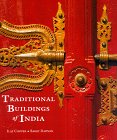
| Traditional Buildings of India by Ilay Cooper, Throughout India, buildings are constructed by traditional methods and without architects. From family houses to village temples, from grain stores to fine mansions, the Indian builder works according to ancient and sometimes religious practice, with whatever materials are at hand, to suit local conditions and extremes of climate. The range of vernacular building types--mud-plastered, reed-thatched, timber-framed--is as varied as India's geography itself. Some houses, built to withstand earthquakes, will last for generations; others will be washed away by the annual monsoon, only to spring up again to face the coming year. Ilay Cooper, who has traveled extensively in India since 1965, surveys the vernacular buildings of each region with an expert knowledge of materials and techniques, as well as of history and tradition. |
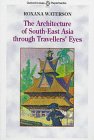
The
Architecture of Southeast Asia Through Travellers' Eyes
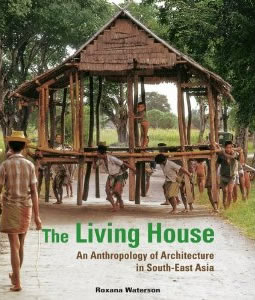
by Roxana Waterson , 1998. From the sublime ruins of Angkor Wat to the
bustle of burgeoning cities like Singapore, this anthology of travel
writings evokes the many amazing architectural styles of Southeast Asia. |
|
|||||||||||||||||||||||||||||||||||||
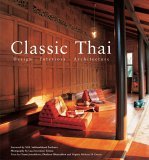
Classic Thai: Design-Interiors-Architecture by Chami Jotisalikorn , Phuthorn Bhumadhon , Virginia McKeen Di Crocco, 2007. From the glittering chedis of Bangkok's Grand Palace to the rustic simplicity of village dwellings, Thailand offers a rich diversity of art, architecture and design. Classic Thai seeks to define the unique characteristics of Thai style, be it through the country's rich arts and crafts tradition, in its plentiful temples and palaces, or in a contemporary home. Photographed entirely on location, Classic Thai is an indispensable guide to the wonders of Thailand.
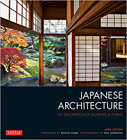
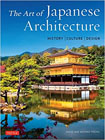
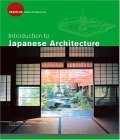
Introduction to Japanese Architecture by Michiko Young , David Young , Tan Hong Yew, 2003. This book provides an overview of Japanese architecture in its historical and cultural context. It begins with a discussion of prehistoric dwellings and concludes with a description of contemporary trends in areas as diverse as country inns, underground malls, and love hotels. The intervening 12,000 years are analyzed in reference to major changes in architecture caused by Buddhist and indigenous influences, feudalism, and finally the influence of Western culture in the 19th century.
The
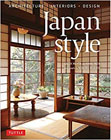
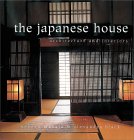
Japanese House: Architecture and Interiors by Alexandra Black, 2000. This book shows 13 houses ranging from "the
teahouse" over "the traditional inn" and a "samurai residence" to "Japanese
modern". It is mainly a photo book, the text is sparse. Each house gets
two pages of introductory text, the rest is comments to the pictures.
These are of the highest quality in terms of resolution, lighting, layout
and print quality. If you want to immerse into the beauty deriving from
the simple aesthetics of Japanese houses, than this book is for you.
The Traditional Architecture of Saudi Arabia by Geoffrey King, 1998. Saudi Arabia encompasses a greater variety of architectural styles than any other country in the Arabian peninsula. The buildings of the coastal, mountain and plains regions are entirely distinctive and local in their character. He describes the characteristic features of the vernacular style for the towns and villages of each region - the Red Sea coast, the northern inland oases, the southwestern mountains, the central plains of Najd and the eastern Gulf Coast - and how buildings were used. In the process, King draws on the record of earlier visitors to Arabia's cities, towns and villages to provide a rich historical context for the country's architecture, while at the same time providing a detailed description of building materials, construction techniques and technology in the use of coral, plaster, mudbrick and stone. |
|||||||||||||||||||||||||||||||||||||||
|
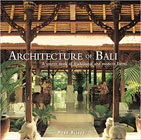
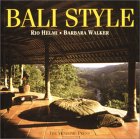
Bali Style by Barbara Walker, 1996. More than 200 full-page color photos capture the essence of the Indonesian island's architectural and interior design style, which ranges from relatively primitive bamboo dwellings to classy contemporary homes. Bali art forms are also included in a beautiful, detailed coverage of the Indonesian island's culture, history, and art. |
|||||||||||||||||||||||||||||||||||||||
The Tropical Asian House by Robert Powell, 1998. With the combination of beautiful photographs but perhaps more importanly with the writing, this books actually makes you experience the house as though you were actually there. The author's gift for language, combined with his technical understanding of architecture in general and the elements of tropical Asian architecture in particular, will feed your imagination with ideas about the wonderful possibilities of finding design elements that will bring joy to your life. Highly recommended, for looking at, and for reading. --Bruce Leeds
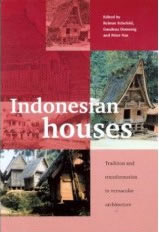
Indonesian Houses: Tradition and Transformtion in Vernacular Architecture by Reimar Schefold, 2004. The traditional houses and settlements of the several hundred ethnic groups of Indonesia are extremely varied and all have their own unique history. Underlying this rich diversity are fundamental similarities rooted in the ancient heritage that is shared by all the peoples in the Indonesian field of study. The multiplicity of ways in which this heritage is given shape in each local situation bears witness to an amazing creativity in adapting to regional circumstances and social changes.
Yurts : Living in the Round by Becky Kemery, 2006. This book journeys from Central Asia to modern America and reveals the history, evolution, and contemporary benefits of yurt living. One of the oldest forms of indigenous shelter still in use today, yurts have exploded into the twenty-first century as a multi-faceted, thoroughly modern, utterly versatile, and immensely popular modern structure whose possibilities are still being explored. Kemery introduces the innovators who redesigned the yurt and took it from back country trekking and campground uses to modern permanent homes and offices. Yurts inspire a sacred connection between people and their environment, between living and nature, between humankind and the forces that shape the world in which we live. Photographs throughout book rouse your imagination, and the extensive resource section gives you the information you need to take the first step toward realizing your own yurt dreams. It is possible to meet our shelter needs without draining natural and personal resources. Yurts can help you reenvision your understanding of home from that of a market commodity to a concept of sacred space in which you can nourish your soul and find your place in the world. For a full review of this book by Kelly Hart see this page.
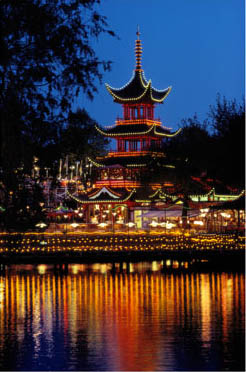
Asian Interior Design by Jaume J. Nasple, Kyoko Asakura, 2003. In this vast area, stretching from India and China, to Singapore, Korea, and Hong Kong, the editors introduce a variety of styles in which modernity coexists with tradition in a way that looks fresh and innovative. Architects such as Yung Ho Chang (China), Kay Ngee Tan (Singapore), Seung H-Sang (Korea), Gary Chang (Hong Kong), and Kengo Kuma, Nobuyuki Furuya, and Guen Bertheau-Suzuki (Japan) as well as "Architect Atelier" (India) illustrate that Asian architecture and interior design is truly the design of the future. The focus of the world's attention is shifting to Asia and, in this book, you'll learn why.
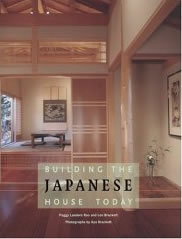
Building the Japanese House Today by Len Brackett, 2005.
Built like a piece of fine furniture, the traditional Japanese house is universally admired for its clean lines, intricate joinery, and unparalleled woodworking. Focusing primarily on a new guesthouse in California, this elegant volume shows how a classic Japanese house can be built to offer the warmth and comfort that modern homemakers require.
Japanese Country Style: Putting New Life into Old Houses by Yoshihiro Takishita, 2002. Japanese Country Style introduces sixteen unique and sumptuous homes rescued by Yoshihiro Takishita, a professional antiquarian, and illustrates how his renovations rejuvenated these all-but-forgotten architectural gems. Takishita candidly discusses the thoughts and inspirations that led him to adapt and convert these centuries-old farmhouses for modern living. Chapters on their unique history and construction demonstrate the value of these towering traditional homes, and illustrate their place in Japanese rural life, where several generations often lived under the same roof which allowed for a horse in the stable area and silkworms in the attic. Japanese Country Style also showcases the artful blending of traditional Japanese elements with modern lifestyles. Tatami rooms, Japanese antiques, traditional wooden furniture, and other treasures fill the rooms of these homes, and evoke the understated elegance of country-style living. With over 200 photographs and illustrations of beautifully refurbished folk homes, this volume presents a portrait of a sublime yet simple way of life that will give anyone interested in design and architecture a host it useful ideas. This books adopts a bilingual format, providing both Japanese and English commentary. |
|||||||||||||||||||||||||||||||||||||||
|
|
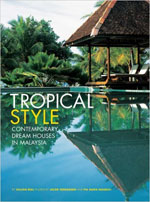
Tropical Asian Style by Luca Invernizzi Tettoni, 1998. The pictures show every aspect of the tropical Asian house, except perhaps kitchens, which seem to be nothing more than a stove-type device near the dining area. The predominant theme is living among nature and even inviting it to share the living space with you (or is it the other way around?). Instead of windows and doors, you see slatted screens and netting. Very romantic. And a far cry from most of America's obsession with locks and glass. | ||||||||||||||||||||||||||||||||||||||
|
At
Home in Bali
|
China's
Old Dwellings
|
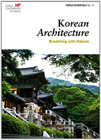
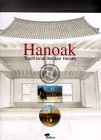
Hanoak : Traditional Korean Homes, 1999
|
|
||||||||||||||||||||||||||||||||||||
|
Ancient
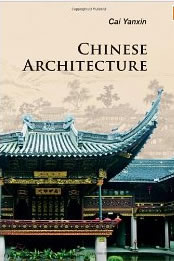
Chinese Architecture Series, Vernacular Dwellings [BOX SET]
|
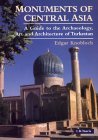
Monuments
of Central Asia: A Guide to the Archaeology, Art and Architecture of
Turkestan by Edgar Knobloch, 2001
|
The
New Asian Architecture: Vernacular Traditions and Contemporary Style
|
Constituting Unity And Difference: Vernacular Architecture In A Minangkabau Village
|
||||||||||||||||||||||||||||||||||||
Studies in Persian Art and Architecture
|
|||||||||||||||||||||||||||||||||||||||
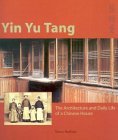
Yin Yu Tang: The Architecture and Daily Life of a Chinese House
|
Asian Elements: Natural Balance in Eastern Design
|
||||||||||||||||||||||||||||||||||||||
The Inner Harmony of the Japanese House
|
What is Japanese Architecture?: A Survey of Traditional Japanese Architecture
|
And Guide Shanghai: Architecture And Design
|
Measure and Construction of the Japanese House
|
||||||||||||||||||||||||||||||||||||
The New Asian Architecture: Vernacular Traditions and Contemporary Style
|
|||||||||||||||||||||||||||||||||||||||
|
www.newpaltz.edu An extensive list of links related to Asian vernacular architecture, and a description of several books by the author. vernarch.com The Centre for Vernacular Architecture has been designing and executing various vernacular architectural projects in South India. Their architectural practice promotes the use of locally available materials, traditional building techniques, culturally and climatically relevant building design. yurtinfo.org A very thorough and informative site devoted entirely to yurts, including their history, design, and how to build or buy them. livingintheround.net This is a wonderful, informative, blog all about yurts. |
|
Disclaimer
Of Liability And Warranty
For Email contact go to About UsEstablished in 2001, GreenHomeBuilding.com is primarily a labor of love. Kelly, and the GreenHomeBuilding team of experts, have answered thousands of questions for readers over the years, and we continue to publish up-to-date information about increasingly important sustainable architecture. If you feel moved to assist us in this work, your kind donation would be much appreciated; this can be easily done through our PayPal account:VISIT
OUR OTHER WEBSITES:
|