![]() |
|
![]() |
|
Owner/builder An owner/builder can theoretically do most of the work in building his or her own house. Most building authorities recognize that people often want to do the work themselves rather than hire professional contractors and laborers. Of course an owner/builder is still subject to the same code requirements as the professionals would be. Building in this mode can save a lot of money and be immensely satisfying at the same time. I had always wanted to design and build my own house, and it wasn't until I was in my fifties that I was able to realize this dream; all of the construction I did before this had been either remodeling existing structures or working for other people. I must say that living in a house that I designed and built brings joy to my life in many ways; the building fits our needs and aesthetics so perfectly. Most of the books listed here relate to conventional construction techniques. However much of the design work and planning that goes into building a house is the same, regardless of the materials used. Also much of the detailed work related to electrical and plumbing, etc. is the same. |
RESOURCES SEARCH
THIS SITE ARTICLE: |
Creating
the Inspired House : Discovering Your Place Called Home by John
Connell, 2004. Where we choose to settle, what we build, and how our homes
feel inside and out are all expressions of who we are. The best houses
are about people, and Creating the Inspired House chronicles the
stories of memorable characters immersed in the search for a place they
can call home. With over 300 color photographs, this book takes readers
on a cross-country tour of over 20 inspired homes -- large and small,
new and remodeled -- with the very homeowners, architects, and builders
who collaborated on their creation. Each of the houses is shaped by the
owners personal passions, and its those passions that breathe
life into the design of their homes, creating an inspired house.
The inspirations for
these houses are as varied as the people who live in them, and the stories
are as enthralling as gossip. In this collection of fascinating stories,
readers will find the encouragement to believe and act on their own personal
dreams . . . and build accordingly. |
|||||||||||||||||||||||||||
|
|||||||||||||||||||||||||||
The Owner-Builder Book: How You Can Save More than $100,000 in the Construction of Your Custom Home by Mark A. Smith, 2000. The author says, "When we built our own home, a general contractor estimated the cost of construction at $90 a square foot. It was more than we could afford. We had two choices: shrink the house we had planned, or build it ourselves. We decided to build it ourselves, and completed the house for $49 a square foot. We found very little published help on the key issue - saving money - when we were building. So we decided to make it easier for others by writing The Owner-Builder Book. We conducted 200 interviews with subcontractors, generals, lenders, inspectors, and many other owner-builders. I also drew on my experience as a former construction industry executive and consultant. We provided templates for the reader to the three key tools needed for success: Written Budget, Written Schedule, and Written List of Features." The Owner-Builder Book: Special Reports (Spiral-bound) by Mark A. Smith with Elaine M. Smith, 2007. The Owner-builder Workshop DVDs by Mark A. Smith, Elaine M. Smith, 2004.
Affordable Home Design: Innovations and Renovations by Martha Torres, 2005. One of our most important requirements as humans is the dwelling. Designing a home is thus one of the most important challenges architecture has to deal with. On the one hand, architects must create homes that guarantee with the highest of quality the wellbeing and comfort of their inhabitants. On the other hand, architects must learn how to manage a client's limited budget by reducing costs without affecting the quality of the final result. Affordable Home Design showcases a wide array of solutions to this same architectural challenge of good design and structure on a budget. The projects featured include extensions of houses and apartments already in existence, ecological housing design, sustainable and structurally cost-effective homes, and new buildings in strictly coded conservation zones. Through more than 250 full-color photographs, this essential book reveals how today's architects are able to adapt to the necessities of a more affordable budget when approaching the always exciting necessity of designing a home.
Working Alone : Tips & Techniques for Solo Building by John Carroll, 1999. This unique book is worth a second set of hands. It offers solo builders and do-it-yourselfers proven tips, techniques, and shortcuts for careful, precise, and safe construction. There are many times when a helper would make a job easier, and in some cases doable at all, but with John Carroll's clever, expert tips, there's no need to wait for help. This book, the only one of its kind, offers ways to get by with not only one pair of hands but to work more efficiently as well. A perfect example is the problem of bringing a large sheet of plywood up a ladder. Even with a helper this is a difficult and dangerous task. But if a large C-clamp is fastened to one end of the plywood, it's easy to pull the sheet up the ladder from behind. |
|||||||||||||||||||||||||||
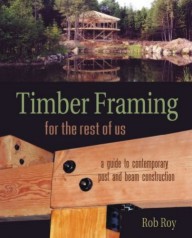
Timber
Framing for the Rest of Us : A Guide to Contemporary Post and Beam Construction
by Rob Roy, 2004. Many natural building methods rely upon the use of post
and beam frame structures that are then in-filled with straw, cob, cordwood,
or more conventional wall materials. But traditional timber framing employs
the use of finely crafted jointing and wooden pegs, requiring a high degree
of craftsmanship and training, as well as much time and expense. However,
there is another way . . Timber Framing for the Rest of Us describes the
timber framing methods used by most contractors, farmers and owner-builders-methods
that use modern metal fasteners, special screws and common sense building
principles to accomplish the same goal in much less time. And while there
are many good books on traditional timber framing, this is the first to
describe in depth these more common fastening methods. The book includes
everything an owner-builder needs to know about building strong and beautiful
structural frames from heavy timbers, including:
Build Your Dream House For A Song; and own it free and clear in five years by David Cook, 1998. This book offers you the chance to build the house you really want and do it less expensively than any other method.This a is a strategy that consists of five major parts. I. How to buy land cheap. 2. How to buy materials cheap. 3. How to design for easy construction. 4. How to live rent free and comfortably while you build. 5. How to get involved in the construction process. For a detailed description with quotes from the book, you can go to the author's website.
|
|||||||||||||||||||||||||||
![]()
|
|||||||||||||||||||||||||||
Green Remodeling : Changing the World One Room at a Time by David R. Johnston, Kim Master, 2004. Green Remodeling is a comprehensive guide. It first points out the advantages of remodeling. Buildings are responsible for 40% of worldwide energy flow and material use; so how you remodel can make a difference. Upgrading furnaces, cabinets and toilets means less fossil fuel pollution, reduced resource depletion and fewer health risks. Green remodeling is more energy-efficient, more resource-conserving, healthier for occupants and creates buildings that are more affordable to build, operate and maintain. The book then discusses simple green renovation solutions for homeowners, focusing on key aspects of the building, including foundations, framing, plumbing, windows, heating and finishes. Room by room, it outlines the intricate connections that make the house work as a system. For example, how new windows may affect the structure and mechanical systems of the rooms below, the health of the family and the future of old-growth forests. Then, in an easy-to-read format complete with checklists, personal stories, expert insights and an extensive resource list, it covers easy ways to save energy, conserve natural resources and protect the health of loved ones. Addressing all climates, this is a perfect resource for conventional homeowners, as well as for architects and remodeling contractors.
The House That Jill Built: A Woman's Guide to Home Building by Judy Ostrow and Karen Leffler, 2005. Millions of women are already learning the basics of do-it-yourself and getting in tune with the empowering nature of power tools. Allison Kennedy, a woman who built an earthbag house all by herself after her boyfriend left her with a concrete foundation, is one of the featured stories. The House That Jill Built is perfect for women of all skill levels, from the experienced do-it-her-selfer to the woman who doesn't know the difference between a stud finder and a palm sander, to the woman who is looking to move on to more complex or large-scale projects. Sharing women's real-life experiences in creating their own dream homes, The House that Jill Built is a groundbreaking guide to the process as well as a collection of women's real-life home-building experiences, complete with before and after photos and drawings, advice from experts, safety precautions, and a comprehensive section of how-to tips, including a tool guide. Chapters highlight success stories, such as the design and construction of one woman's desert dream house to another's tropical paradise nestled up north. After reading these personal stories, every woman will feel motivated to pick up the hammer and go for it. |
|||||||||||||||||||||||||||
|
|||||||||||||||||||||||||||
Do-It-Yourself Housebuilding: The Complete Handbook by George Nash, 1995. If this book's not complete, the seven hundred pages come pretty close to it. It has chapters on everything, starting with selecting a site and house plan and ending with landscaping. There are plenty of drawings, charts and photographs to illustrate the topics. For example there are almost three pages of drawings of various types of electrical boxes and their installation. The dialog is clear and easy to understand. You can learn why you need to do something, not just how to do it. Each chapter covers various types of building practices and materials and isn't limited to any particular style. For instance the roofing chapter covers asphalt shingles, wood shingles and shakes, concrete and clay tiles. Not only are there pictures of how to do things correctly, but there are occasional shots of owner-builder mistakes. |
|||||||||||||||||||||||||||
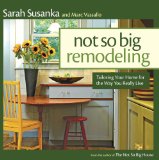
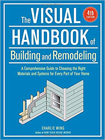
and when codes or inspections might apply. By covering subjects such as electrical, plumbing, painting, wallpaper, flooring, ceilings, kitchens, energy conservation, decks, home security, etc., the book also works for people remodeling their own homes." |
|||||||||||||||||||||||||||
Designing Your Natural Home by David Pearson, 2005 .One of the pioneers of incorporating the green movement into home design, David Pearson now offers a complete guide for creating an eco-home. Informative, clear, and with factual advice, tips, and beautiful color photos, Designing Your Natural Home takes readers through each step of the process, from defining the scope of the project to choosing materials and building methods to decorating the new abode. Along with practical, how-to information, photo essays present inspiring and stylish examples of natural design. The ten innovative homes featured in this book exemplify different solutions for every situation and budget, from apartments to sprawling dwellings. Readers will learn how to make the most of small spaces, find a builder, draw up plans, purchase low energy appliances, and much more. Whether they're renovating an existing space, expanding a house, or starting from scratch, readers will be inspired to create the natural home of their dreams with this indispensable guide and source for fresh ideas
The
Good Home: Interiors and Exteriors by Dennis Wedlick, 2001.What
exactly makes a "good home"? According to the author, it is a house that
is poetic, one that stimulates feelings and ideas. In The Good Home, readers
will discover, step by step, the picturesque techniques they can use to
give their house a sense of soul-a character that arouses emotions and
sentiment. Drawing from a full-color portfolio of "soulful" homes, this
guide examines such interior and exterior design techniques as focal points,
shaped spaces, transparency, and enfilade, as well as, lighting, landscaping,
and much more. For anyone considering building a house who likes traditional
building styles with a contemporary twist, The Good Home will be an important
addition to the library.
Be Your Own Home Renovation Contractor: Save 30% without Lifting a Hammer (revised and updated) by Carl Heldman. This book explains finding and appraising a restorable structure, obtaining financing, and hiring subcontractors. Includes sample contracts, bids, inspection reports, insurance forms, and blueprints. 6x9, 176 pages, paperback.
The
How-To Guide to Building a Monolithic Concrete Slab Foundation
DVD, produced by the
folks at StrawBale.com. Details of 4 different types of
foundation... knowing these will present you with some options you can
use for your projects. Learn why a thorough site evaluation is absolutely
essential and will save you time as the project progresses. Learn what
to look for when clearing a site.... what to leave, and what to remove.
Learn how to build around existing structures, eliminating the possibility
of damaging existing structures. Know why it is essential to remove
top soil to minimize the possibility of moisture coming up from below
and cracking your concrete slab. Learn the different methods to check
for the grade of your site. Find out the best type of gravel to use
and the thickness you need for your concrete pad. Learn why it is essential
to thoroughly compact the ground prior to pouring concrete to prevent
cracking in your foundation. |
|||||||||||||||||||||||||||
A Shelter Sketchbook-Timeless Building Solutions, by John Taylor. Architect Taylor offers hundreds of intricate sketches and notes on shelters of every kind which are functional and protect the inhabitants both man and animal. A good book to remove the mystery of house design. This is a book for builders, students and anyone seeking stimulation for imagination.
The Distinctive Home: A Vision of Timeless Design by Jeremiah Eck, 2003. Jeremiah Eck believes that a distinctive home is the result of a balance between site, floor plan, exterior elements, and interior details. In The Distinctive Home, he describes the significance of each of the four elements and provides numerous examples of good design for each. Included are images and descriptions of 50 houses (ten of them the authors own designs) that cover a wide range of styles, regions, and budgets. A final chapter unifies the four elements in detailed profiles of several of these houses, examining how their components work together to attain the status of "distinctive." He roams the country for examples of the distinction he prizes, finding it in Rhode Island beach homes and California bungalows, New England farmhouses and suburban custom jobs, all of which harmonize with their surroundings and within their parts to provide their tenants with daily domestic gratification. 360 color photographs and illustrations are included |
|||||||||||||||||||||||||||
The Good House: Contrast As a Design Tool by Max Jacobson, et al,1990. Tells you how to create the details that make a place special, using a simple but powerful theory of linked contrasts. Highly readable, can be put to use by anyone. Few books offer such design insight, none in so few pages. I rank "The Good House" alongside Alexander's classic "A Pattern Language". --Lars Jensen |
|||||||||||||||||||||||||||
The House You Build : Making Real-World Choices to Get the Home You Want by Duo Dickinson, 2004. Until now, homeowners have had to choose between the twin worlds of budget-friendly mediocrity and unaffordable fantasy. Responding to this gap, acclaimed architect Duo Dickinson demonstrates that a customhouse doesn't depend on a fabulous price tag. The House You Build offers a third way of building that is grounded in the realities of time and money, but focuses on your fondest hopes and dreams. Here are 20 real-world situations where unique and imaginative homes were built on real-life budgets. When you build on a budget, there are no right answers, only careful choices. There are 20 dreams in this book, and these dreams came true. The House You Build is the first book of architect-designed homes that presents the real costs of their construction including design fees, the Six Rules on Getting What You Want (and can afford), a broad range of house styles from all over the country, and homes that accommodate a wide variety of lifestyles. |
|||||||||||||||||||||||||||
Building
Your Own Home For Dummies by Kevin Daum, Janice Brewster, Peter
Economy, 2005. Thinking about building your own home? This easy-to-follow
guide shows you how to plan and build a beautiful home on any budget.
From acquiring land to finding the best architect to overseeing the construction,
you get lots of savvy tips on managing your new investment wisely
and staying sane during the process! |
|||||||||||||||||||||||||||
Construction Manual: Concrete & Formwork This manual has good information on how to select and pour the right mix for the job, excavate for foundations, lay out the structure, design and build the forms, and finish and cure the concrete. Shows how to build forms for piers and footings, foundation walls, steps, sidewalks, beams and girders, arched openings, and more. Includes reinforcing and placing rebar. |
|||||||||||||||||||||||||||
No-Regrets Remodeling: Creating a Comfortable, Healthy Home That Saves Energy by Bruce Harley, 1997. Understanding the ways changing and "improving" our homes affects the comfort and performance of the whole house is a science that has advanced tremendously in the last ten years. This is the first book for the homeowner/do-it-your-selfer that makes all that building science accessible and practical. You'll save the price of the book the first month in reduced energy bills, and thank yourself every month for the added comfort and the peace of mind.
|
|||||||||||||||||||||||||||
|
The
Complete Guide to Designing Your Own Home
|
Build
It Right!: What to Look for in Your New Home
|
How
to Plan, Subcontract and Build Your Dream House: Everything You Need
to Know to Avoid the Pitfalls
|
|||||||||||||||||||||||||
|
A
Pattern Language: Towns, Buildings, Construction
|
The
Home Design Handbook: The Essential Planning Guide for Building, Buying,
or Remodeling a Home
|
Houses
are Designed by Geniuses & Built by Gorillas : An Insider's Guide
to Designing and Building a Home
|
Building
Your Own Home: A Step-by-Step Guide
|
||||||||||||||||||||||||
|
Habitat
for Humanity:
|
Hammer. Nail. Wood.: The Compulsion to Build
|
Why
Buildings Stand Up:
|
Home
by Design: Transforming Your House Into Home
|
||||||||||||||||||||||||
Building an Affordable House : Trade Secrets for High-Value, Low-Cost Construction by Fernando Pages Ruiz, 2005
|
|
||||||||||||||||||||||||||
Designs for a Healthy Home: An Eco-Friendly Approach
|
Building A House Together: A Couple's Guide To Managing Their Relationship During the Construction Process
|
||||||||||||||||||||||||||
|
greenhouse.gov.au/consumer guide this on-line guide can get you started in planning your future home, from site considrations to good design and energy savings. greenhouse.gov.au/technical manual this on-line manual provides a wealth of information for would-be builders: passive design, water use, materials use, energy use, and site issues are covered. construction-resource a forum for exploring all aspects of building. houserepairtalk.com a general forum about house repair, both inside and out. ownerbuilder.com Tom Landis has provided his entire book, "Home Building Consumer's Guide" for on-line reference. downhomeradio.com You can listen to a wide ranging archive of Tom Landis's Down Home Radio programs where he interviews well-known authors and authorities. eren.doe.gov list of owner/builder schools. buildingscience.com some very specific suggestions for building techniques related to climate. homebuilding.co.uk site for Homebuilding & Renovating: "The Self-Build Magazine" asktooltalk.com Find links to articles on home improvement, woodworking, products, and tools (including reviews); shop at the General Store; and locate manufacturers. Homeowners and construction professionals can ask questions and share ideas on projects. countryplans.com
inexpensive plans for small cottages and cabins are described here, with
lots of nice photos. ownerbuilderbook.com information about the book, forums, workshops, etc. guren_hole a nice description of the steps involved in designing and building an ecological house. deboerarchitects.com Some thoughts and illustrations about strawbale building by architect Darrel DeBoer. buildmax.com offers 100% financing on land, materials, labor, and fees for homes where you are the owner/builder or self-contractor. youbuild-wehelp.com offers personalized asistance in many aspects of owner/builder or owner/contractor projects that are of conventional construction. needcontractor.com offers a free referral service where you submit a description of your project and they will have up to four different contractors in your area submit bids for the job. motherearthnews.com a Mother Earth News article: Essential Advice for Owner Builders by David Eisenburg. junglehousetents.com these tents might be the perfect solution for temporary housing while you are building your dream green home. |
|
Disclaimer
Of Liability And Warranty
For Email contact go to About UsWe
are interested in exchanging links with other
|