Think Small
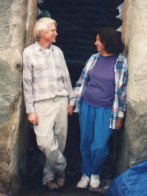
Small can be beautiful and cozy. The trend lately has been toward huge mansion-style houses. Large houses generally use a tremendous amount of energy to heat and cool. This energy usually comes from the combustion of fossil fuels, depleting these resources and emitting greenhouse gases and pollutants into the air. Also, the larger the house, the more materials go into its construction; materials which may have their own environmental consequences. A home should be just the right size for its occupants and their activities. My wife and I (and our two dogs) happily lived in a forty foot bus for four years. The key to this is efficient use of space, good organization, and keeping possessions to a manageable level.

ARTICLES:
Small is Beautiful
Small Homes: The Right Size
EXPERT
ADVICE
with Jim Tolpin

 |
||
Click on image for more information |
Lloyd Kahn has done it again! He has published another seminal work on the general topic of shelter. This one is devoted to the art of living in small spaces…in style. Tiny Homes, Simple shelter: Scaling Back in the 21st Century is another amazing book with over a thousand photos detailing more than you could ever imagine about the beauty and construction of tiny houses. By “tiny” Lloyd means no larger than 500 sq. ft., but many of them are much smaller than this.
Having built and lived in many odd small structures, I can certainly appreciate the craft and utility of this approach to shelter. What I didn’t realize was the extent to which this movement has captured the imagination of common folk. Clearly the economic climate is part of the reason for this, as is the ecological realization that scaling back is often the right thing to do. Small design goes hand in hand with using recycled materials, and the result is cheap, ecological homes. There are builders across the country who are now finding a market for little buildings that can easily be hauled to any site after they have been built.
Dwellers of these little homes are finding that life can be simpler when space is at a premium, partly because the temptation to buy more stuff is thwarted by the impracticality of storing it. Also, one has to become neater and more orderly about keeping things in their place; otherwise life becomes unbearable. And folks find that they actually spend more time outside, another pleasurable and healthful benefit.
Lloyd has organized this colorful book into several chapters, each of which deals with the topic in a different way. There are homes that are fixed on foundations, on wheels, designed by architects or not, prefabs and kits, those made of earthy materials, treehouses, motorhomes, and even boats. The aesthetics can suit any impulse, from the funkiest of hippie hovel to high end architectural achievement. Some of these abodes are true artistic masterpieces of woodworker’s craft, and some are strictly utilitarian in style and function. Nearly all of the homes shown are described in some detail, either by the builder or the dweller, so there is personal narrative that is woven throughout the book. This makes the work inspiring on many levels; often these little homes were built by folks who have never built anything before, and become empowered by the experience of making something they can actually live in.
Because these little homes can be hauled to a location or built on site with fewer materials, they are often located in spectacular places, with views and a relationship with the nature around them that is breathtaking. I applaud this movement toward living more simply and ecologically, and I applaud Lloyd Kahn for providing a totally pleasurable glimpse into this little world! --reviewed by Kelly Hart
 |
||
Click on image to buy from CreateSpace.com |
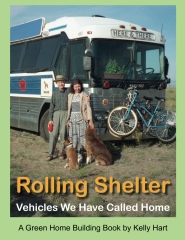
Rolling Shelter: Vehicles We Have Called Home Are you interested in RV living? Rolling Shelter is a personal account of Kelly and Rosana Hart's life in two different buses, three vans, two small motor homes, two travel trailers combined into one house, and two cars. Kelly tells stories about how they spent time exploring the western United States, Mexico and Guatemala, all the while living in various RV's. This book will inspire you and give you some ideas for how you might take advantage of vehicles to provide shelter in your life. In full color, the book features over 200 photographs and 5 detailed floor plans. With descriptions of how the conversions were accomplished, it is valuable both as an overview of vehicular dwelling and as a construction manual for how you might convert your own.
The books shown below are arranged according to when they were published, with the most recent ones at the top. If you click on one of the images you will be taken to a page at Amazon.com where you can find out more about the book. If you end up buying one of them, greenhomebuilding.com will receive a small commission that will help cover the cost of maintaining this website. Thanks for your patronage.




Plan
Strawbale Retreat 900
Touson Saryon, Architect
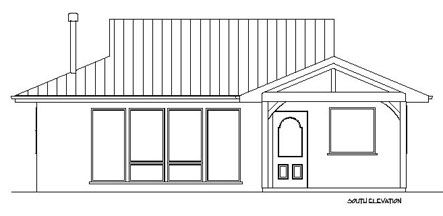
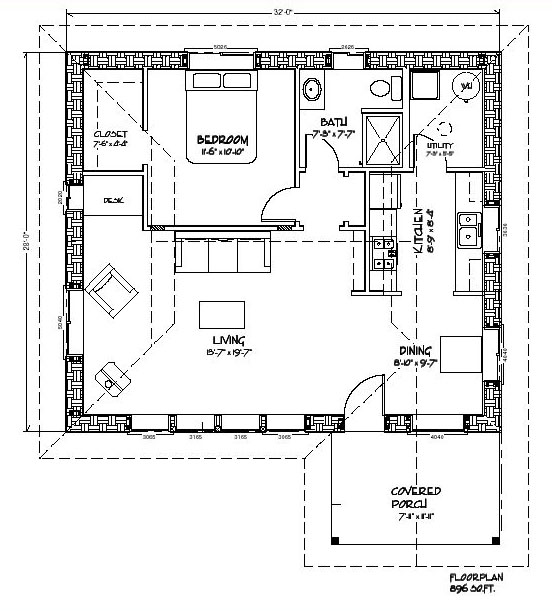
Here is an 896 sf plan made for a couple's weekend retreat...or even full time residence. It won't take much to heat this place in winter or keep cool in summer. It will be easy to go off grid with this one!
For more information about this plan, and many others, visit our sister site www.dreamgreenhomes.com, where you will find a wide range of plans for sustainable homes, greenhouses, small buildings, garages, and food storage space for sale. Dream Green Homes is a consortium of outstanding architects and designers, who have pooled their talent and expertise for your benefit.
Informative Links
notsobighouse.com Sarah Susanka's informative site devoted to small house concepts and related topics.
tumbleweedhouses.com a set of beautifully designed and crafted tiny houses are depicted for viewing and for sale.
resourcesforlife.com is an organization dedicated to the promotion of smaller housing alternatives.
countryplans.com inexpensive plans for small cottages and cabins are described here, with lots of nice photos.
smallhousestyle.com This blog style website features lots of information about small homes.
tinyhouseblog.com Another blog style site with some great information about living small.
tinyhousedesign.com features lots of information about small and inexpensive house designs.
nytimes.com an article about making and living in tiny houses.
weatherport.com has yurt and tiny living tips from experts.
morningchores.com 20 free tiiny house plans.
nytimes.com an article about thinking small for habitats.
smallhouseliving.org a short article published in 1941 about a small cordwood cottage with a unique fireplace/stair combination.
lifestatement.com an article about living in a 70 sf round cob house.
yesmagazine.org an article about Dee Williams' adventure with living small.
youtube.com a very informative video about the tiny house movement.
clotheslinetinyhomes.com designs and builds wome wonderful tiny homes on wheels.
theshelterblog.com the Shelter Publications blog frequently features tiny houses, both stationary and mobile.
themindunleashed.org a nice article about the benefits of living small.
custommade.com features an extensive infographic about the benefits of tiny houses.
singcore.com has a page about building tiny homes using their SIPs.
tinyhometrader.com allows the reader to post ads for tiny homes, plans, books, workshops, related supplies, etc.
www.24hplans.com Small house movement: the cost to build a tiny house - DIY options - what to expect.
calculator.me an informative infographic about tiny homes, their history and value.
For Email contact go to About Us
Established in 2001, GreenHomeBuilding.com is primarily a labor of love. Kelly, and the GreenHomeBuilding team of experts, have answered thousands of questions for readers over the years, and we continue to publish up-to-date information about increasingly important sustainable architecture. If you feel moved to assist us in this work, your kind donation would be much appreciated; this can be easily done through our PayPal account:

VISIT OUR OTHER WEBSITES:
[Natural Building Blog] [Earthbag Building] [Dream Green Homes]
Disclaimer Of Liability And Warranty
I specifically disclaim any warranty, either expressed or implied, concerning the information on these pages. Neither I nor any of the advisor/consultants associated with this site will have liability for loss, damage, or injury, resulting from the use of any information found on this, or any other page at this site. Kelly Hart, Hartworks LLC.